Rolling Pin Bakery: A Brand Designer's Review of This Graphics and Logos Asset
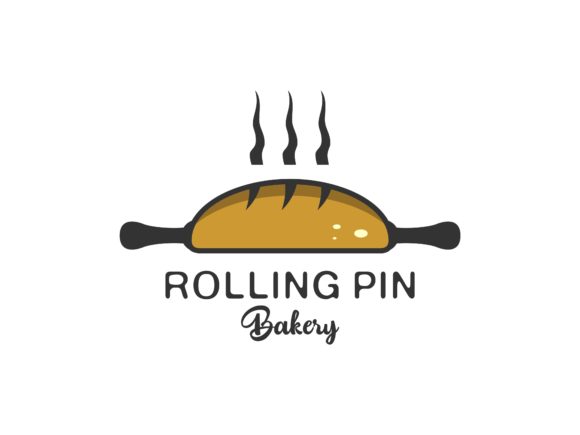
When I first opened the Rolling Pin Bakery graphic design asset, I immediately noticed the balance between nostalgic warmth and clean commercial appeal. The vector logo design carries a handcrafted feel without sacrificing the precision needed for professional branding. As someone who evaluates creative design assets daily for real campaigns, I look for visuals that can carry a mood without shouting. This one whispers artisan quality, retro charm, and approachable sophistication. It is the kind of asset that makes you think of flour-dusted countertops, handwritten menu boards, and the kind of bakery where everyone knows your name.
The emotional tone leans warm, inviting, and slightly vintage. It does not feel cold or corporate. It feels like a brand that cares about craft. That makes it suitable for small business branding, lifestyle content, product labels, and editorial design where you want to trigger a sense of comfort and authenticity. If you are building a brand identity for a café, a pastry shop, a food blog, or a specialty food product line, this design bundle gives you a head start on audience trust before you write a single word of copy.
Why Rolling Pin Bakery Fits a Real Product Launch Campaign
Imagine you are a small business owner preparing to launch a seasonal product line—perhaps a limited run of artisanal pie mixes or a set of handcrafted cookie kits. You need packaging design, social media graphics, a few Instagram posts, Pinterest pins, and a digital ad for Facebook. You also want a cohesive look across your website header and email banners. That is a lot of visual content for one launch. Rolling Pin Bakery can serve as the visual anchor for that entire campaign.
The vector logo design layers nicely onto product labels without feeling too dense. The transparent background PNG and SVG files make it easy to drop into Canva templates, mockups, or editorial layouts. I tested it inside a simple product label mockup and the 300 DPI resolution held up beautifully at print size. The EPS file gives you scalability for posters or packaging inserts. For a small team or solo entrepreneur, having one consistent graphic design asset that works across digital ads, print promotions, and social media covers saves time and preserves visual hierarchy.
How This Asset Supports Brand Identity and Logo Design
A strong brand identity relies on more than a logo. It needs a family of visuals that feel deliberate. Rolling Pin Bakery works as a standalone mark or as a supporting element inside a larger brand system. The retro styling pairs well with serif fonts like Garamond or Playfair Display for a classic bakery feel. It also works with clean sans serif fonts like Montserrat or Open Sans if you want to modernize the vintage vibe. I tested it with a handwritten script overlay for a more artisanal look and the combination felt cohesive without competing.
For logo design, this asset can anchor your primary mark or become a decorative accent on merchandise, stickers, and branded templates. The SVG design ensures clean scaling for web use, while the PNG with a transparent background simplifies placement on photography or colored backgrounds. If you are a creative entrepreneur building a media kit or a lead magnet, this graphic gives you a professional appearance without requiring custom illustration work.
Where Rolling Pin Bakery Shines in Marketing Visuals
This graphic design asset performs best in contexts where warmth and craft are part of your brand story. I would recommend it for hero graphics on a product launch page, campaign headers for a seasonal promotion, and social media graphics that need to feel inviting rather than polished to a sterile shine. It also works well as a decorative element inside packaging design, product labels, and editorial layouts where you want to guide the eye without overwhelming the message.
- Brand identity and logo design: Use it as a primary mark or secondary accent for bakery, café, or food businesses.
- Packaging design and product labels: The 300 DPI resolution and EPS format handle print reproduction well for small to medium runs.
- Social media graphics: Instagram posts, Pinterest pins, and Facebook ads gain a handmade feel when this asset is placed subtly in the background or corner.
- Digital ads and web design: The transparent PNG works cleanly on website headers, email banners, and blog graphics without extra editing.
- Printable design and event flyers: Posters, stickers, and promotional banners stay professional without looking generic.
- Canva templates and media kits: Drop the SVG or PNG into your template library for consistent branded content across campaigns.
Marketing Goals This Asset Helps You Reach
Every visual choice in a campaign either builds or erodes audience trust. Rolling Pin Bakery helps create a stronger first impression because it immediately communicates a specific mood. That mood supports clearer visual hierarchy by giving your layout a focal point that feels intentional. When your product presentation looks cohesive, your audience perceives higher quality, which improves recognition and emotional connection. I have seen small business branding transform when a single well-chosen asset ties together the entire visual identity—from the product label to the social media cover to the packaging insert.
The design also supports engagement goals. Content that feels curated and warm tends to perform better on platforms like Pinterest and Instagram, where users respond to lifestyle imagery. If you are a blogger or content creator building a lead magnet, this asset can elevate your freebie from functional to desirable. For online coaches or product creators who sell digital products, using a consistent visual identity across your sales pages and email sequences builds familiarity and trust.
Where to Use This Asset Carefully
No design asset is universal, and Rolling Pin Bakery has limits worth noting. I would avoid using it in formal corporate branding where a more minimalist or abstract mark would serve better. It also struggles in dense information layouts where the decorative detail competes with text hierarchy. If you are designing a text-heavy ad or a small mobile graphic, the vintage detailing may become muddy at low resolutions. Test it on a smartphone screen before committing to mobile-first campaigns.
- Formal corporate branding: The retro warmth may clash with a sleek, modern corporate identity.
- Low-contrast backgrounds: The line weight may disappear if placed on a similar tone without an outline or shadow.
- Overly minimal brands: If your brand relies on negative space and extreme simplicity, this asset may feel too ornamental.
- Small mobile graphics: Below a certain size, the details may not read clearly. Always preview at actual display size.
Practical Brand Designer Notes Before You Use Rolling Pin Bakery
Before you drop this asset into your campaign, take a few steps to ensure it works within your specific system. First, test it against your brand color palette. The asset works best when you match its warmth with complementary tones—think cream, terracotta, olive, or deep navy. Check black and white usage as well; the design should retain its structure when printed in one color on a packaging label or sticker.
Place it inside real campaign mockups before finalizing anything. I always preview assets on product packaging, social media templates, and website headers to see how they interact with other elements. Pay attention to spacing and balance. The asset has a natural rhythm that pairs well with centered layouts and generous margins. It does not need to compete for attention.
Test readability in small sizes. If you plan to use it as a logo mark on merchandise or digital ads, scale it down and check that the details remain crisp. Compare it against competitor visuals in your niche. If everyone in your space uses a similar retro bakery style, you may want to pair it with a unique color system or typography to stand out.
Finally, confirm the commercial license. This is a digital product from a creative marketplace, and licensing terms vary. If you are using the asset in paid campaigns, client work, or business branding, make sure you have the rights to reproduce it on merchandise, packaging, and digital ads. That due diligence protects your brand identity and avoids legal headaches down the road.
Typography Pairing and Visual Balance
I tested Rolling Pin Bakery with several font families to see where it felt most natural. Serif fonts reinforced the vintage mood without adding clutter. A clean sans serif kept the look modern and approachable. Handwritten and script fonts added personality but required careful spacing to avoid a crowded appearance. Display fonts worked best when used sparingly for headlines, not body copy. The asset itself has enough detail that it benefits from simple, readable typography around it.
For editorial design or blog graphics, place the asset as a subtle watermark or corner accent. In social media covers, it can anchor a hero headline. For packaging design, it works well centered below a product name or inside a circular label shape. The key is letting the asset breathe. Crowding it with too many visual elements dilutes its impact.
Final Thoughts on Rolling Pin Bakery as a Design Asset
Rolling Pin Bakery is a strong addition to any brand designer or content marketer who works with food, lifestyle, or artisan brands. It supports a clear visual hierarchy, communicates warmth and craftsmanship, and adapts to multiple formats from print packaging to digital ads. It is not a one-size-fits-all solution, but for the right campaign, it shortens the path to a professional, emotionally resonant visual identity.
For small business owners, creative entrepreneurs, and content creators who need a reliable graphic design asset that builds audience trust and strengthens brand recognition, this vector logo design delivers. Just remember to test it in real layouts, pair it with thoughtful typography, and confirm your commercial license before launch. When used intentionally, it becomes more than a graphic—it becomes a visual anchor for your entire marketing presence.