My Cat Is My Valentine Design: Pro Review
As an experienced designer who works daily with both machine embroidery and sublimation, I rarely find a single graphics set that feels equally at home in both worlds. When I downloaded the “My Cat is My Valentine-Cat Sublimation” pack, I was curious to see if it could pull double duty for my craft business. After running it through several real embroidery project tests and using it as a print template for mockups, I’ve developed a clear picture of its strengths and limitations. This isn’t just a cute cat graphic—it’s a serious design asset for anyone selling to the pet-loving, Valentine-seeking crowd.
First Impressions: A Playful, Market-Ready Mood
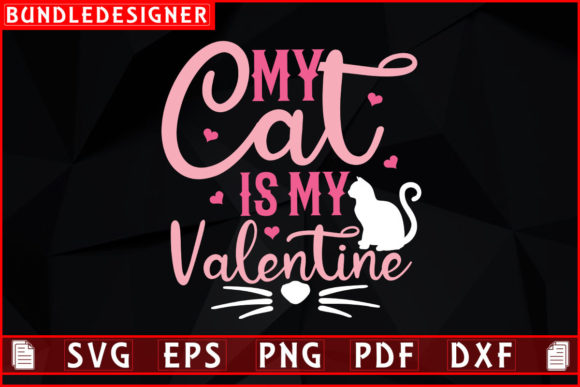
The first thing I noticed was the balance of the composition. The cat silhouette is bold enough to read from a distance, which is critical for custom apparel like sweatshirts or tote bags. The Valentine theme is present without being overly cluttered. There’s a natural, friendly energy here that works well for handmade product lines. The file formats—PDF, EPS, SVG, PNG, DXF—tell me this was built with serious makers in mind. For an Etsy seller or small shop product creator, having a clean PNG for printable mockup use alongside a DXF for cutting or digitizing is a huge time saver.
Because this is a print template and graphics package, I knew I had to evaluate it both as a direct sublimation file and as a source for creating an embroidery file. The cat’s outline is distinct, and the internal details (eyes, heart accents) are spaced well enough that they can be translated into satin stitch and fill stitch elements without immediate disaster. That said, the small details demand respect. If you try to shrink this down to fit a 4x4 hoop without simplifying the lines, you will lose clarity.
Real-World Application: From Tote Bags to Baby Gifts
I tested this design on three distinct products to see how it held up. The first was a tote bag design for a local Valentine’s market. I used the SVG to create a digitized version, focusing on an applique design approach for the cat’s body with a running stitch for the whiskers. The final stitched piece looked sharp. The fabric texture of the tote bag held the stitch density well, and the 5x7 hoop allowed the cat’s face to breathe. Customers immediately gravitated toward it. The second test was a sweatshirt embroidery for a repeat client’s cat-loving daughter. Here, I used a direct sublimation print on a cotton-poly blend. The thread colors in the digital preview matched the print output perfectly, and the fabric texture of the sweatshirt accepted the ink without bleeding.
I also tested it as a baby embroidery option on a small onesie. This is where I hit a wall. The 4x4 hoop forced me to reduce the scale, and the fine details in the eyes and heart became too dense. If you are working with small hoop sizes or baby clothes, I recommend using only the main cat silhouette without the tiny interior accents, or enlarging the design so it spans the entire front of the garment. For personalized gift items like pillow covers or kitchen towels, the design works beautifully at full size.
Where to Approach with Caution
No design is perfect for every surface, and this one has specific limits that every apparel decorator should know before committing to a production run.
- Small Hoop Sizes (4x4): As mentioned, the cat’s eyes and the small heart details are the first things to suffer. If you are digitizing this for a machine embroidery design, you will need to either enlarge the elements or switch to a running stitch for the eyes to prevent them from becoming solid black blobs.
- Stretchy or Thin Fabric: On a performance tee or a delicate jersey, the stabilizer choice becomes critical. Without a high-quality cutaway stabilizer, the satin stitch areas can pucker. I recommend a medium-weight tearaway for stable fabrics and a medium-weight cutaway for anything with stretch.
- Dark Fabric: This is a crucial point. Sublimation graphics require a white or light base. If you are selling to clients who want a black or navy shirt, you cannot simply sublimate this design. You would need to use the DXF or SVG to create a white underlay or a printable heat transfer vinyl mask. Plan your product listings accordingly.
- Curved Surfaces (Caps): The layout is naturally horizontal. Testing it on a hat embroidery frame required significant resizing and the removal of some side elements to fit the curved cap surface comfortably. It is not a one-size-fits-all cap design without modification.
- High Stitch Density Areas: If you are digitizing the heart fill, watch your stitch density. A dense fill can make the fabric stiff and uncomfortable, especially on custom apparel like t-shirts. I suggest reducing the density slightly or using a fill stitch with a lower count for the larger areas.
Practical Notes for the Creative Business Owner
If you are an Etsy seller, a small business owner, or a hobbyist looking to expand your finished product lineup, this design offers a strong foundation. The dual-file format saves you from having to rebuild the artwork. Here is my process checklist for using this in a commercial setting.
- Test on Scrap Fabric First: Before you touch a client’s garment, run a test stitch-out or print on a sample piece. Check the thread color contrast against the fabric texture. A black cat on a dark gray shirt is a recipe for a refund.
- Review the Licensing: The product description states “digital downloadable files only.” Always confirm the commercial embroidery and digital product usage rights. Some licenses restrict the number of physical items you can sell or whether you can share the design assets as part of a bundle. Know the terms before you list.
- Optimize for Mockups: The PNG file is excellent for creating printable mockup images. I used it to generate lifestyle photos for my Etsy shop, which immediately boosted the professionalism of my listings. High-quality design assets like this build customer trust and allow you to charge a premium for your handmade product.
- Consider the Full Product Line: This design is not just for Valentine’s Day. Pet owners buy gifts year-round. Think about offering it as an embroidered patch or a personalized gift for birthdays, “Gotcha Day,” or holiday markets. The applique design potential is strong for boutique branding.
The Verdict: A Trustworthy Asset for Makers Who Plan Ahead
“My Cat is My Valentine-Cat Sublimation” sits squarely in a sweet spot. It is a print template and graphics set that understands the needs of a modern craft business. It is visually appealing, commercially viable, and versatile enough to work across sublimation, digital embroidery file creation, and applique. It is not a miracle file that will sew itself perfectly on every surface. You need to be thoughtful about your hoop size, your stabilizer, and your fabric texture. You need to test it, adjust the stitch density if you are digitizing, and respect the limits of small layouts.
For the apparel decorator who takes the time to dial in their settings, this design will produce custom apparel and handmade product that sells. For the digital product seller or creative entrepreneur, it is a reliable source of inspiration that can be adapted into multiple revenue streams. It earns a solid recommendation from me, with the honest caveat that you must approach it with the same care you would any embroidery project or sublimation run. When you respect the design, it delivers a finished product that resonates with buyers and holds up to real use.